


Delivery Planning for the Catering Industry
One of the world’s leading logistics companies, UPS, is a well-known example of how strategic delivery planning can generate substantial savings. Through its advanced logistics initiatives, UPS...


The catering industry is built on large-scale food production and the timely delivery of prepared meals to locations specified by clients. Beyond mass food production itself, the delivery of these meals requires careful planning and a highly coordinated operational process.
Table Of Content
For catering companies, delivery planning is a critical factor in ensuring customer satisfaction while also controlling operational costs. A well-structured delivery process not only reduces expenses but also significantly improves service quality and reliability.
Cost Savings Through Effective Delivery Planning
One of the world’s leading logistics companies, UPS, is a well-known example of how strategic delivery planning can generate substantial savings. Through its advanced logistics initiatives, UPS reportedly saves tens of millions in fuel costs every year.
UPS developed a navigation system designed to minimize left turns during deliveries, allowing vehicles to complete routes primarily by turning right. By restricting left turns in its delivery fleet, the company achieved fuel savings of approximately 37 million liters. Although this approach sometimes results in longer routes, the overall efficiency gains have proven the strategy’s effectiveness.
Catering companies can adopt a similar mindset by making rational, data-driven decisions and implementing optimized delivery planning systems. With the right approach, achieving significant cost savings is well within reach.
Fast, Accurate, and Cost-Effective Transportation of Bulk Meals
Meals produced by catering companies must be delivered to their destinations while preserving freshness and quality. This requires optimal vehicle utilization and precise scheduling to ensure food reaches target locations on time.
At the same time, catering logistics must focus on minimizing costs, using time efficiently, and involving as few vehicles as possible in daily operations. Efficient delivery planning directly impacts profitability and operational sustainability.
Route Planning for Catering Companies
To transport prepared meals efficiently, catering companies must implement effective route planning. A route refers to the path or itinerary followed during delivery, while route planning defines the optimal way to reach multiple destinations.
With advancements in technology and the widespread use of navigation systems, creating route plans has become significantly easier. Digital navigation platforms help drivers identify the fastest and shortest paths between delivery points, reducing delays and fuel consumption.
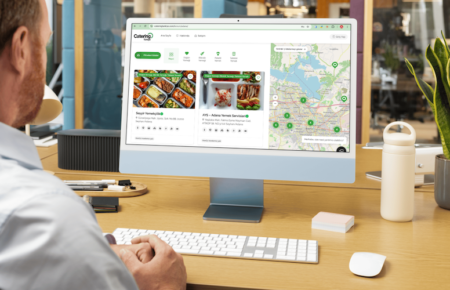
Technology now plays a vital role in route planning for catering operations. Catering companies can use tools such as Google Maps and Yandex Navigation to create optimized delivery routes at no cost. These platforms enable real-time traffic analysis and route adjustments, making daily operations more efficient.
The Best Free Navigation Tools for Catering Deliveries
The navigation applications mentioned above are available free of charge and can be easily accessed via smartphones, eliminating the need for additional hardware. Their mobile-friendly design allows catering teams to manage deliveries on the go while maintaining flexibility and accuracy.
By integrating smart route planning and delivery optimization tools into their logistics processes, catering companies can reduce operational costs, improve delivery speed, and enhance overall customer satisfaction.





No Comment! Be the first one.