


El Salvador: A Rising Tourism Hub Powered by Transformation
Having undergone a comprehensive transformation spanning security, tourism infrastructure, gastronomy, and international events, El Salvador is now positioning itself as a strong player on the global...

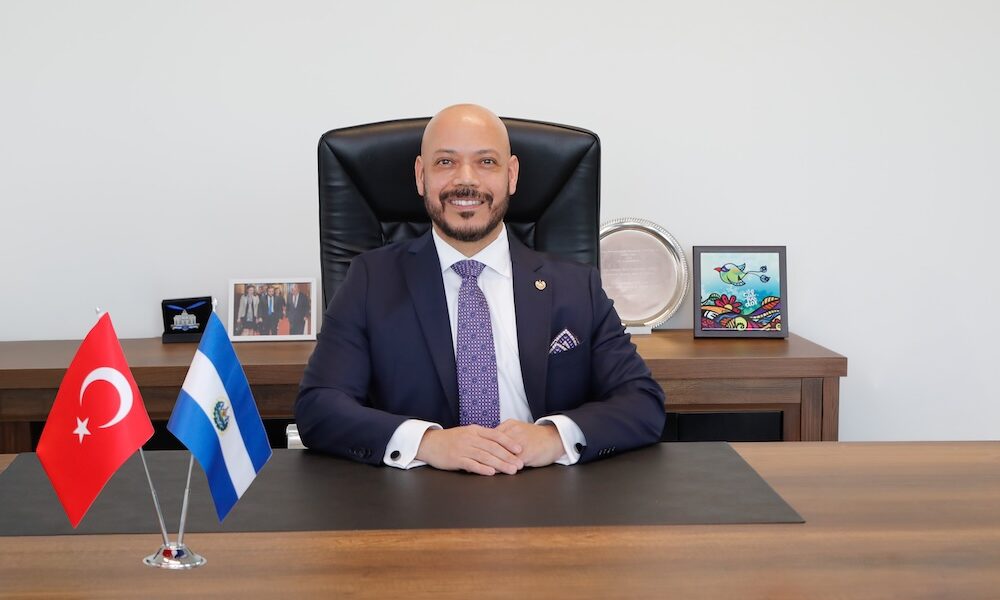
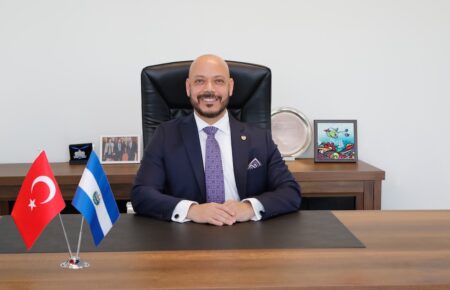
Having undergone a comprehensive transformation spanning security, tourism infrastructure, gastronomy, and international events, El Salvador is now positioning itself as a strong player on the global tourism stage. El Salvador’s Ambassador to Ankara, Hector Enrique Jaime Calderon, shared insights with HORECA TREND on the country’s remarkable rise and its vision for the future.
Your Excellency, first of all, thank you for taking the time to speak with us. In recent years, El Salvador has been undergoing a remarkable process of change and transformation, attracting attention not only within its region but also on a global scale. It is truly valuable for us to hear directly from you about this new vision and transformation. In this context, how would you evaluate where El Salvador stands today?
Thank you for letting me talk about my beautiful country, El Salvador, who is undergoing a pivotal moment in its history. In just a few years, it has transformed its international image and improved the living conditions of its population, driven by advances in security, stability, and institutional modernization, positioning itself as a regional benchmark.
In 2025, the country reached a record of over 4.1 million international visitors, reflecting a 4% increase compared to 2024 and consolidating its position among the most dynamic tourism destinations. It also recorded one of the highest tourism growth rates worldwide, with an 81% increase between 2019 and 2024, according to UN Tourism. This sustained expansion already surpassed the visitor target projected for 2028 by 10.8%.
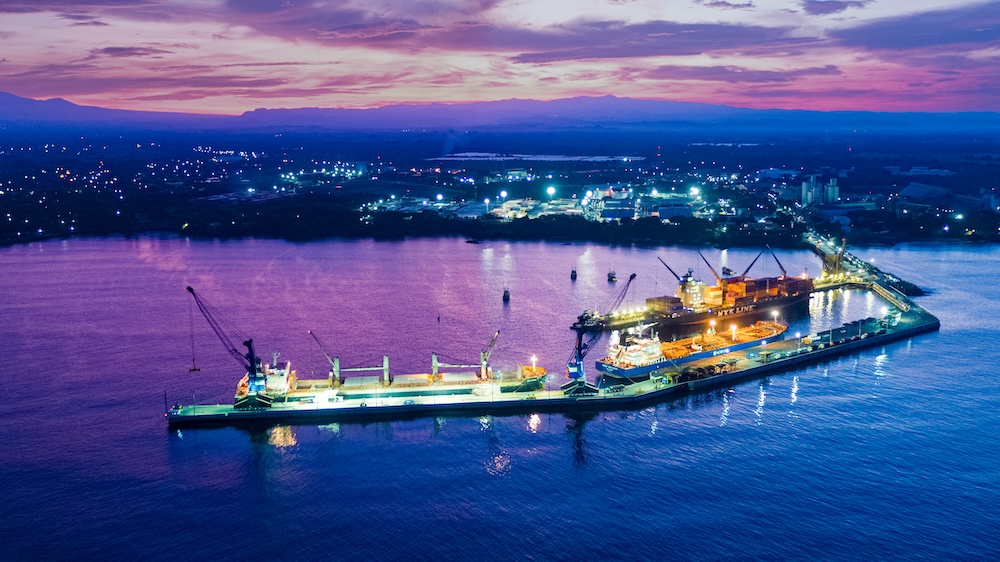
The country benefits from strong international connectivity to 34 cities across key markets, particularly the United States, its main source of visitors, and offers an average stay of 7.7 nights, one of the longest in the region. Strategic initiatives such as Surf City have further strengthened its global positioning, driving investment, developing human capital, and creating opportunities for tourism infrastructure expansion.
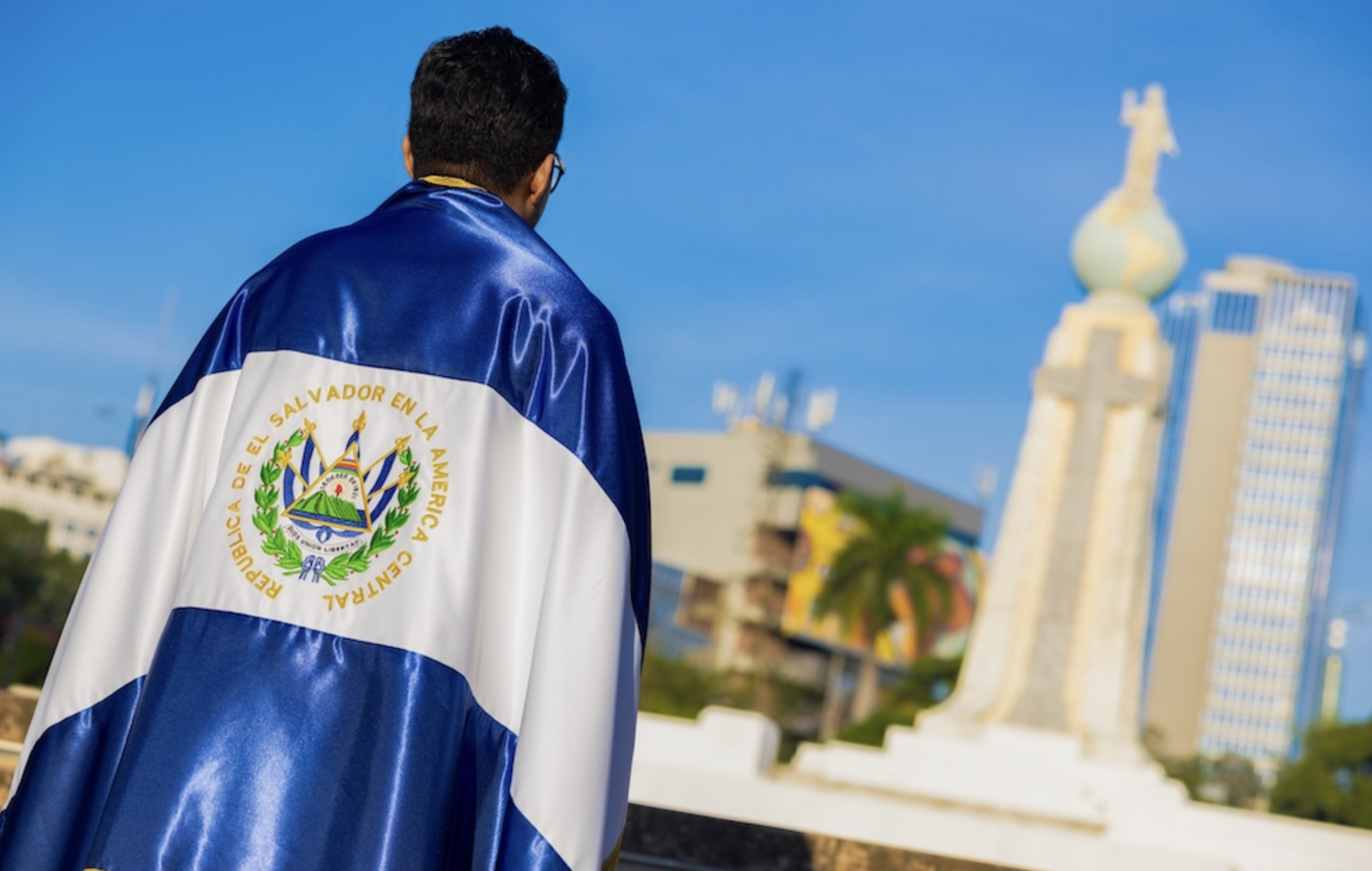
Currently, El Salvador projects a renewed image of confidence and openness, strengthening its appeal for investment, tourism, and the hosting of international events. This positioning is further reinforced in 2026 through high-impact events such as the Ironman 70.3, the Central American residency of Shakira in El Salvador, international surfing championships in Surf City, as well as a growing calendar of cultural festivals, concerts, and sporting competitions. Together, these initiatives continue to elevate the country’s global visibility and consolidate its reputation as an emerging hub for tourism and world class events.
These advances reflect the country’s organizational capacity and growing international confidence, driven by strategic policies focused on security, economic growth, and innovation, positioning El Salvador as a dynamic country with a vision for transformation.
If you were to describe El Salvador as a tourism destination, how would you summarize the country’s natural, cultural and geographical richness? What unique experiences can a visitor expect when traveling to El Salvador?
El Salvador is a country of small territorial size, yet with remarkable natural, cultural, and geographic diversity. Its tourism offer stands out for concentrating, within short distances, experiences that in other destinations would require long travel times, making this one of its key strengths.
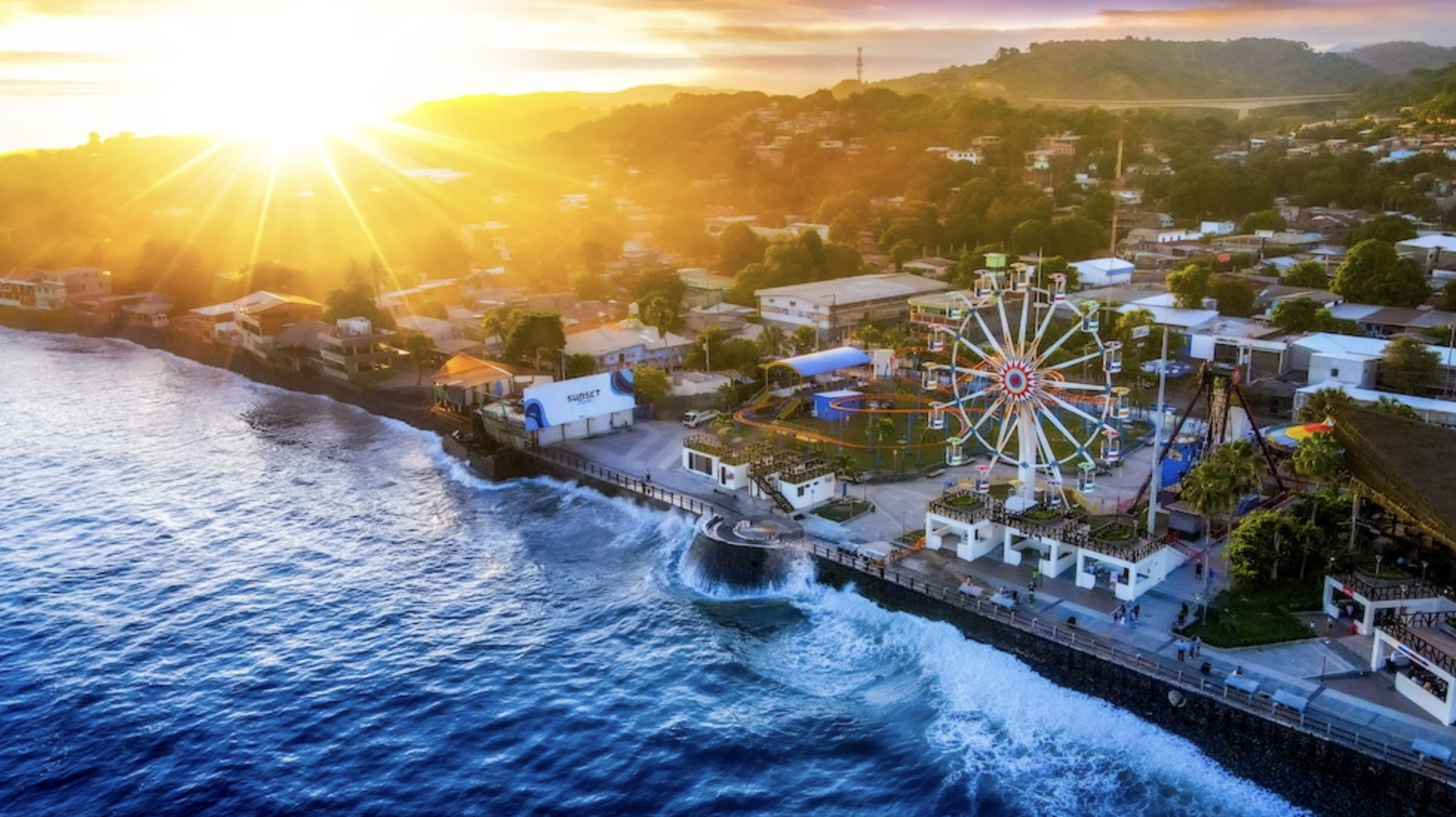
The country boasts world-class beaches, particularly in Surf City, an emblematic project that has positioned El Salvador as a global surfing destination. Major competitions such as the ISA World Surfing Games and the ALAS Pro Tour are held there, attracting athletes and visitors from around the world.
Additionally, El Salvador offers active volcanoes and mountain routes that provide unique experiences for nature and adventure tourism enthusiasts. Notable destinations include the Santa Ana Volcano, El Boquerón National Park, and Cerro El Pital, where visitors can enjoy exceptional landscapes with accessibility and safety.
The country also features colonial towns and cultural routes of significant historical and heritage value, including Suchitoto, Ruta de las Flores, and archaeological sites such as San Andrés and Joya de Cerén, which preserve an invaluable legacy of ancestral heritage.
Moreover, its location allows visitors to explore beaches, mountains, lakes, and colonial towns in a single day, an uncommon feature. Within just a few hours, it’s possible to hike a volcano in the morning, enjoy lunch in a colonial town, and catch the sunset at the beaches of Surf City.
Together, this diversity combined with improvements in security and tourism infrastructure has become a fundamental pillar of El Salvador’s tourism identity and international projection.
We can clearly see that this potential is reflected in concrete results. El Salvador reached a historic milestone by welcoming 4.1 million tourists in 2025. What do you attribute this significant growth in visitor numbers and tourism revenues to? What were the key strategies behind this success?
This performance is the result of a comprehensive strategy led by the Government of El Salvador, aimed at positioning tourism as a key driver of economic development and international projection, based on three core pillars: security, international promotion, and strengthened tourism infrastructure.
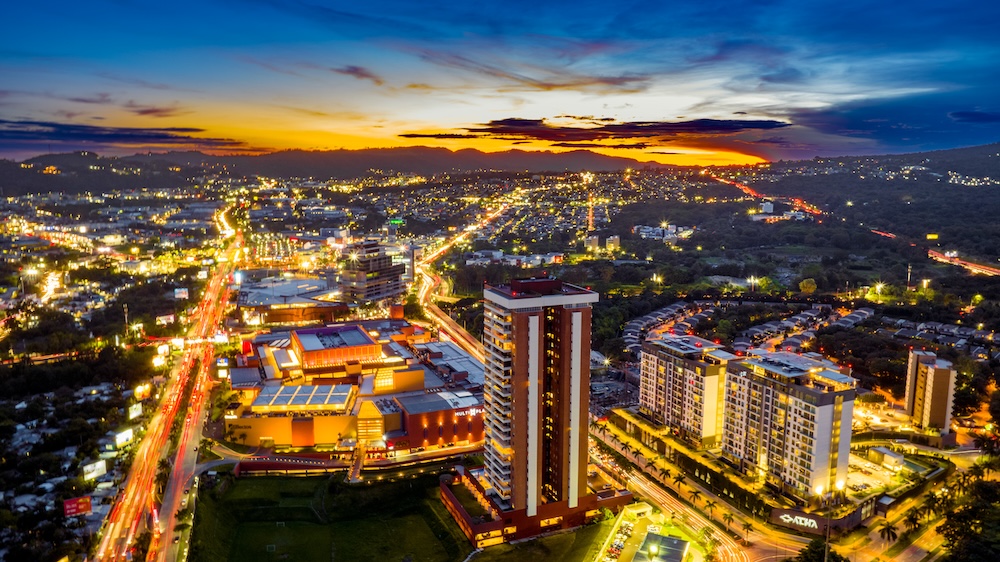
Moreover, as a result of government policies, El Salvador has positioned itself among the safest countries in the hemisphere, generating a climate of confidence for tourists, investors, and international event organizers, while at the same time promoting investments in infrastructure and services, such as the modernization of the road network, the expansion of the international airport, the development of tourism projects, and the growth of the hotel sector, which enhance the visitor experience and improve access to key destinations.
Together, these efforts have consolidated a competitive tourism ecosystem, reflecting a strategic vision that has positioned tourism as a pillar of national development.
In recent years, gastronomic tourism has played an important role in strengthening a country’s brand value. How do you position Salvadoran cuisine and local flavors on the international stage? What role does gastronomy play within your overall tourism strategy?
Gastronomic tourism has gained increasing importance in the international positioning of destinations, and in the case of El Salvador, it represents a key component of its tourism strategy.
Salvadoran cuisine is an authentic expression of the country’s cultural identity and traditions. Iconic dishes such as pupusas, recognized as the national dish, reflect its culinary richness, complemented by a diverse offer that includes high-quality coffee, cacao, fresh seafood, and a wide range of traditional preparations.
From a tourism policy perspective, gastronomy plays a strategic role by enhancing the visitor experience while strengthening El Salvador’s international positioning. Discovering local flavors allows visitors to connect more deeply with the country’s culture and traditions.
In this context, the government of President Bukele has promoted initiatives to integrate gastronomy into the tourism experience, linking it to cultural routes, emblematic destinations, and international events. This includes tourism diversification strategies led by the Ministry of Tourism, in coordination with institutions such as the Salvadoran Coffee Institute (ISC), through the development of coffee and cacao routes aimed at integrating productive sectors into the tourism value chain and promoting sustainable rural development.
As a result, gastronomy not only enriches the visitor experience but also projects an authentic and distinctive image of El Salvador, while contributing to territorial development and the expansion of high-value tourism segments.
Looking ahead, what are El Salvador’s upcoming investment plans, priority projects and strategic goals in the tourism sector?
Looking ahead, El Salvador will continue to consolidate tourism as a strategic pillar for economic development and international projection. In this regard, the government of President Nayib Bukele is advancing an agenda focused on strengthening the country’s competitiveness through strategic investments, new infrastructure, and the diversification of its tourism offer.
Among the priorities are continuing and expanding flagship projects, particularly Surf City, which has positioned the country as a leading international surfing destination. Surf City phase 2, expanded into the eastern region, plays a key role in extending tourism development beyond traditional areas, contributing to economic growth and territorial integration in that part of the country. Upcoming phases include strengthening tourism infrastructure, improving connectivity, and expanding services in coastal areas.
At the same time, the Government continues to promote investments to modernize infrastructure and improve access to key destinations, including roads upgrades, strengthening tourism services, and expanding El Salvador International Airport to support the sustained growth in visitor numbers. In this context, efforts are being made to attract new international airlines, particularly from Europe, to enhance direct connectivity with strategic markets. Overall, these initiatives reflect a long-term vision aimed at positioning El Salvador as a competitive, innovative, and increasingly relevant tourism destination at the regional and global levels.
El Salvador is also committed to strengthening its ties with Türkiye, a nation with which it shares growing diplomatic, cultural, and economic connections. We warmly invite Turkish travelers to experience El Salvador’s diverse tourism offerings, from Surf City’s world-class waves to our rich cultural heritage and gastronomy. By fostering greater exchange between our peoples, we aim to build bridges of friendship and opportunity, positioning El Salvador as a welcoming destination for Turkish visitors and reinforcing the interconnected vision of our two nations.
In this broader spirit of openness, the Embassy of El Salvador in Türkiye extends a cordial invitation to the international community to discover a new El Salvador, a country moving forward with determination, projecting renewed confidence, and demonstrating that profound transformations are possible through strategic vision and commitment. With an increasingly dynamic tourism offering, El Salvador stands ready to welcome visitors from around the world.



No Comment! Be the first one.