


Catering Trends Shaping the Industry in 2026: Beyond Food, Toward Experience
In 2026, sustainability has become a fundamental pillar of catering operations rather than a differentiating feature.

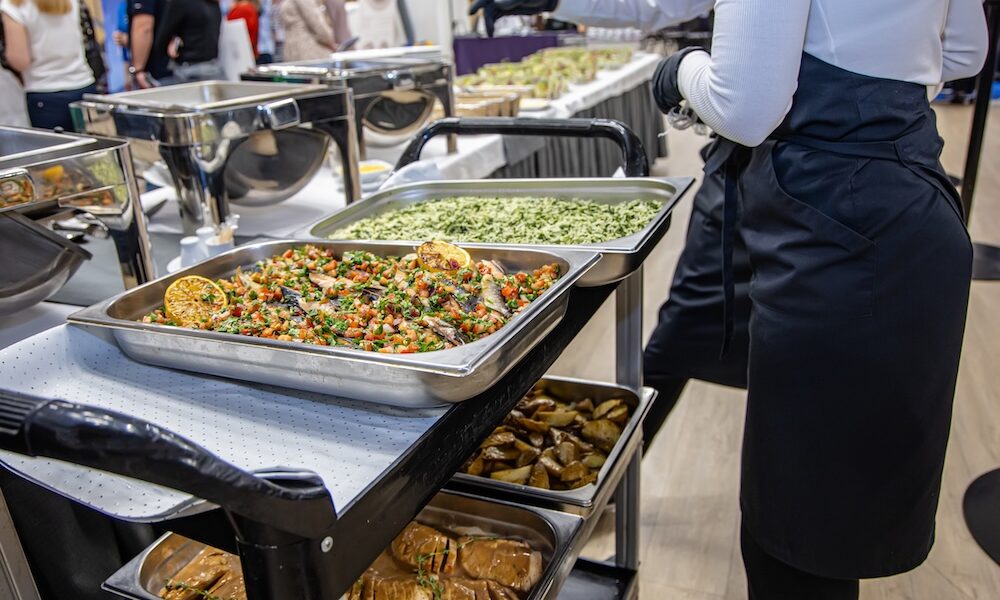
In 2026, the catering industry stands at a defining crossroads. No longer limited to food service alone, catering has evolved into a multidimensional experience that blends sustainability, technology, personalization, wellness, and cultural storytelling. Across hotels, corporate events, weddings, and private gatherings, catering now plays a central role in shaping guest perception and brand value.
Table Of Content
- Sustainability as a Core Business Standard
- Personalized Catering Experiences Take Priority
- Technology-Driven Catering Services
- Global Flavors with Local Identity
- Wellness-Focused Catering Expands Further
- Experiential Presentation and Event Design
- Social Media-Ready Catering Concepts
- Modern Interpretations of Local Cuisine
- Looking Ahead: The Future of Catering in 2026
As expectations continue to rise, catering companies are being challenged to deliver not just high-quality menus, but meaningful, memorable experiences. In 2026, innovation is no longer optional—it is essential.
Sustainability as a Core Business Standard
In 2026, sustainability has become a fundamental pillar of catering operations rather than a differentiating feature.
Catering companies increasingly prioritize local sourcing to reduce environmental impact and strengthen regional supply chains. Reusable, compostable, and biodegradable service materials have largely replaced single-use plastics, while waste reduction strategies are embedded into menu planning and production processes. This environmentally conscious approach not only supports global sustainability goals but also strengthens brand trust and corporate responsibility.
Personalized Catering Experiences Take Priority
Personalization is now a defining expectation in catering services.
Menus are designed with flexibility in mind, offering seamless adaptations for vegan, vegetarian, gluten-free, allergen-sensitive, and lifestyle-based preferences. Advanced digital systems allow caterers to customize menus in real time, while guests at large-scale events increasingly select their meals online prior to arrival. In 2026, personalization is no longer a premium service—it is the new norm.
Technology-Driven Catering Services
Technology continues to transform catering in 2026, improving both operational efficiency and guest engagement.
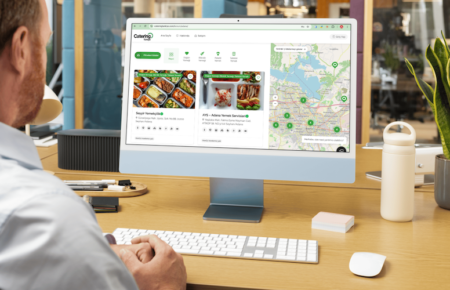
QR-code menus remain widely used for speed and sustainability, while data-driven and AI-supported menu planning helps align offerings with guest preferences. Interactive elements such as live cooking broadcasts, digital chef presentations, and hybrid event integrations have become especially popular in corporate and brand-led events, positioning catering at the intersection of food and digital experience.
Global Flavors with Local Identity
Fusion cuisine remains a strong influence on catering menus in 2026, driven by growing interest in cross-cultural dining.
International flavors—from Asian, Latin American, and Middle Eastern cuisines—are thoughtfully combined with local ingredients and regional techniques. Rather than imitation, the focus is on reinterpretation, creating menus that feel globally inspired yet locally grounded. This balance appeals strongly to younger, experience-driven audiences.
Wellness-Focused Catering Expands Further
Health and wellness continue to shape menu design in 2026.
Low-sugar desserts, functional beverages, plant-based proteins, and nutrient-dense options are now standard components of catering menus. Wellness-focused catering is particularly prominent in corporate environments, where lighter, energy-supporting meals are preferred to enhance focus and productivity throughout the day.
Experiential Presentation and Event Design
In 2026, catering is as much about visual storytelling as it is about flavor.
Live cooking stations, interactive food displays, and concept-driven menu designs allow guests to engage directly with the culinary experience. Catering is increasingly integrated with event themes, décor, lighting, and narrative design, transforming meals into immersive moments rather than scheduled services.
Social Media-Ready Catering Concepts
Digital visibility plays a major role in catering strategies in 2026.
Menus and presentations are designed with social media in mind, featuring visually striking dishes and interactive formats that encourage sharing. Some catering brands now offer post-event digital content packages, enabling hosts and guests to extend the experience across social platforms long after the event concludes.
Modern Interpretations of Local Cuisine
While global influences remain strong, local culinary heritage has gained renewed importance in 2026.
Traditional dishes are being reimagined through contemporary techniques and refined presentations. This modern reinterpretation allows catering brands to honor cultural roots while appealing to modern tastes, creating emotional connections through nostalgia, storytelling, and authenticity.
Looking Ahead: The Future of Catering in 2026
In 2026, the catering industry is defined by diversity, sustainability, and experience-led design. For brands operating in this space, adapting to these trends is not merely a competitive advantage—it is essential to long-term relevance.
Whether for corporate gatherings, weddings, or private events, the future of catering is built on a clear principle: delivering far more than food. Catering in 2026 is about connection, identity, and creating moments that guests remember long after the last course is served.





No Comment! Be the first one.