




Strategies for Off-Season Hotel Bookings
By understanding the unique challenges of off-season periods and addressing them with tailored strategies, hotels can not only maintain a steady flow of guests but also strengthen their overall brand...

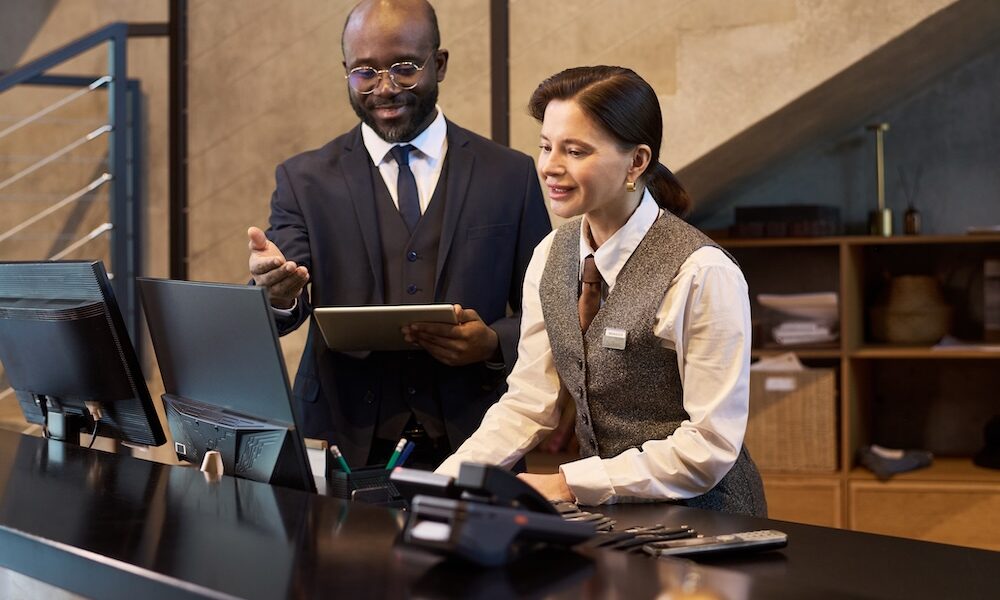
By understanding the unique challenges of off-season periods and addressing them with tailored strategies, hotels can not only maintain a steady flow of guests but also strengthen their overall brand appeal. In today’s highly competitive hospitality landscape, continuous innovation is essential, and off-season periods provide the perfect environment to experiment, learn, and grow.
Table Of Content
- Understanding Off-Season Dynamics
- Seasonal Packages and Special Offers
- Targeted Marketing Campaigns
- Local Partnerships
- Enhancing the Guest Experience
- Flexible Pricing Models
- Focusing on Corporate Events and Conferences
- Investing in Online Reviews and Reputation Management
- Engaging in Content Marketing
- Loyalty Programs and Return Guest Incentives
- Renovate and Innovate
- Conclusion
In the fluctuating world of hospitality, balancing the highs and lows of room bookings can be a demanding task. While peak seasons bring a surge of guests and often push hotels to full capacity, off-season periods can result in empty rooms and quiet lobbies. However, with a strategic approach, this scenario can be reversed, allowing hotels to maximize occupancy even during slower months. Let’s explore effective strategies to increase off-season hotel bookings and maintain stable revenue streams.
Understanding Off-Season Dynamics
Before implementing strategies, it is crucial to understand why off-season periods occur. Whether driven by unfavorable weather conditions, school calendars, or a slowdown in business travel and conferences, identifying these factors enables hotels to address specific challenges directly and develop targeted solutions.
To effectively tackle off-season challenges, hotels must clearly grasp the underlying dynamics at play. At its core, the off-season is shaped by a combination of factors that influence travel decisions. These extend beyond weather conditions to include socio-economic and cultural elements that can significantly affect traveler behavior.
One of the most influential contributors to off-season dynamics is economic fluctuation. During periods of economic uncertainty or slowdown, discretionary spending tends to decline, leading to reduced travel—particularly to luxury destinations or high-cost cities. For hotels in such markets, understanding the broader economic climate can guide strategies ranging from value-driven packages to promoting staycations for local residents.
Cultural events and celebrations also play an important role. In some destinations, major religious or cultural festivals may lead to a temporary decline in tourism, as travelers avoid crowds or respect local customs. Conversely, this can present an opportunity for hotels to attract niche audiences by offering culturally focused packages for guests interested in immersive local experiences.
Seasonal Packages and Special Offers
One of the most straightforward strategies to boost off-season hotel bookings is offering discounts or special packages. While lowering room rates is an option, bundling services often proves more effective. For example, a three-night stay paired with a complimentary spa session or a guided local tour can add perceived value and encourage bookings.
Themed packages can further enhance the appeal of off-season offers. During winter months, even if the property is not located in a snowy destination, a “Winter Escape” package featuring cozy in-room amenities, hot beverages upon arrival, and themed indoor activities can be attractive. In quieter summer periods, a “Summer Retreat” package including poolside experiences, refreshing drinks, and relaxation-focused amenities may resonate with guests.
Positioning discounts correctly is equally important. Excessive discounts can sometimes devalue a hotel’s brand perception. Instead, market them as exclusive, limited-time offers to create a sense of urgency and exclusivity, motivating potential guests to book before missing out.
Targeted Marketing Campaigns
Leverage the power of digital marketing to reach the right audience. Use data analytics to identify demographics more likely to travel during off-peak periods, such as retirees, couples without children, remote workers, or business travelers. Tailor marketing campaigns to highlight the benefits of off-season travel, including fewer crowds, a more relaxed atmosphere, and better value for money.
Retargeting is a critical component of digital campaigns. If a potential guest visits your booking page but does not complete a reservation, retargeting ads can remind them of what they are missing. These ads can emphasize off-season advantages or offer special incentives to encourage conversion.
User-generated content can also significantly boost trust. Encourage past guests to share their experiences on social media and feature these testimonials in marketing efforts. Authentic experiences shared by real guests often resonate more strongly than polished advertisements.
Local Partnerships
Collaborate with local businesses and attractions to create mutually beneficial promotions. Partnering with nearby cultural venues, wellness centers, or seasonal events can result in bundled offers that attract guests to both the hotel and its partners.
Think beyond traditional tourist attractions when forming partnerships. Collaborate with local artisans, musicians, or chefs to host events that showcase regional talent. These experiences provide authenticity—an increasingly important factor for modern travelers.
Additionally, consider organizing community events or pop-up markets in collaboration with local vendors and artists. This not only supports the local economy but also creates a unique selling point for the hotel, differentiating it from competitors and offering guests experiences they cannot find elsewhere.
Enhancing the Guest Experience
Use quieter periods to deliver elevated, personalized guest experiences that are difficult to achieve during peak seasons. Room upgrades, complimentary dining, or customized city guides can increase guest satisfaction while encouraging positive reviews and repeat visits.
Off-season periods also provide an ideal opportunity to collect detailed guest feedback. With fewer guests on property, staff can engage more closely and gain deeper insights into preferences and expectations. This feedback is invaluable for refining services and improving future offerings.
Consider offering exclusive off-season experiences such as guest-chef dinners, private workshops, wellness retreats, or themed evenings. These unique offerings can become strong incentives for guests to visit during slower periods.
Flexible Pricing Models
Dynamic pricing, where room rates fluctuate based on demand, is a powerful tool for maximizing off-season hotel occupancy. Implement booking systems that adjust rates in real time to remain competitive while optimizing revenue.
Predictive analytics can further enhance pricing strategies. By analyzing booking patterns, local events, and even flight prices, hotels can anticipate spikes in demand and adjust rates accordingly—even during traditionally slow periods.
Long-stay discounts are another effective tactic. Travelers booking during the off-season often seek longer, more relaxed stays. Offering reduced rates for extended stays can attract digital nomads, freelancers, and families on flexible schedules, keeping rooms occupied for longer durations.
Focusing on Corporate Events and Conferences
Off-season periods are often ideal for corporate events, conferences, and retreats. Target businesses with discounted meeting room rates, team-building packages, or full-service event solutions. A quieter environment can be a strong selling point for productivity and focus.
Transforming hotel spaces into hybrid event venues can be a game-changer. By catering to both in-person and virtual attendees with advanced audiovisual infrastructure and technical support, hotels can capitalize on the growing demand for hybrid meetings.
Corporate wellness packages can also be highly appealing. Combining business events with wellness offerings such as spa access, guided meditation, or outdoor team-building activities can position the hotel as a holistic destination for modern corporate clients.
Investing in Online Reviews and Reputation Management
Encourage guests to leave online reviews, as a consistent stream of positive feedback strongly influences booking decisions. Responding to both positive and negative reviews demonstrates attentiveness and a commitment to continuous improvement.
Effective online reputation management goes beyond replying to reviews. Actively monitor travel forums, social media platforms, and review websites to address concerns promptly. This proactive approach reassures potential guests that the hotel values feedback and prioritizes guest satisfaction.
Referral programs can further amplify positive word-of-mouth. Incentivize satisfied guests to recommend friends or family by offering benefits or discounts for successful referrals, strengthening booking momentum during slower periods.
Engaging in Content Marketing
Position your hotel as an authority in the travel space. Create blog posts, videos, or guides about local attractions, travel tips, and unique off-season experiences available at your property. This approach improves SEO performance while providing shareable content that drives organic engagement and bookings.
Storytelling is a powerful marketing tool. Instead of focusing solely on amenities, share stories—your hotel’s history, memorable guest experiences, or the journey of a signature dish from the hotel restaurant. Compelling narratives capture attention and increase conversion potential.
Diversify content formats to reach broader audiences. In addition to blog posts, videos, infographics, and podcasts can enhance engagement. A virtual hotel tour or staff interviews can add a personal touch, building a stronger emotional connection with potential guests.
Loyalty Programs and Return Guest Incentives
Encourage repeat bookings through loyalty programs and return-guest discounts. For example, offering a 10% discount on a future stay booked within six months can foster brand loyalty and ensure a steady flow of guests during off-peak periods.
Gamifying loyalty programs can increase engagement. Instead of rewarding only stays, introduce milestones or challenges. Guests might unlock special rewards after staying in multiple room categories or dining at all on-property restaurants.
Personalization is key to successful loyalty programs. Use data analytics to tailor rewards based on guest preferences. Spa enthusiasts might appreciate complimentary treatments, while food lovers could enjoy exclusive dining experiences with the executive chef. Personalized rewards significantly enhance program participation.
Renovate and Innovate
Use off-season periods as an opportunity for renovation and innovation. Upgrading rooms, adding new facilities, or refreshing common areas can create renewed interest in the property. Once improvements are complete, promote these enhancements through targeted marketing campaigns.
Sustainability should be a priority during renovations. Eco-friendly practices increasingly influence travel decisions. Energy-efficient systems, water conservation initiatives, and green spaces not only improve the guest experience but also position the hotel as an environmentally responsible choice.
After renovations, consider hosting a relaunch or reopening event. Inviting local media, influencers, and past guests can generate significant buzz, driving awareness and future bookings.
Conclusion
While off-season periods present challenges, they also offer valuable opportunities for improvement, innovation, and deeper guest engagement. By understanding the unique dynamics of the off-season and implementing tailored strategies, hotels can maintain stable occupancy levels while enhancing overall brand value. In the competitive hospitality industry, continuous innovation is essential—and off-season periods provide the ideal environment to test, refine, and grow.




No Comment! Be the first one.