


Creating the Perfect Menu: A Guide for New Restaurants
Opening a new restaurant is an exciting journey filled with endless possibilities. One of the most critical decisions you will make along the way is creating the perfect menu. A well-crafted menu not...

Opening a new restaurant is an exciting journey filled with endless possibilities. One of the most critical decisions you will make along the way is creating the perfect menu. A well-crafted menu not only showcases your restaurant’s identity but can also significantly influence customer satisfaction and profitability. Here is a guide to help you design an impressive and effective menu.
Table Of Content
Understand Your Target Audience
Before choosing your dishes, think about who your primary customers will be. Are you targeting health-conscious millennials, families with children, or business professionals? Understanding your audience will help determine the types of dishes, portion sizes, and price points you should offer.
If your restaurant is located in a busy business district, quick yet gourmet lunch options may be a good fit. Alternatively, in family-oriented areas, offering a children’s menu or family-style dishes can help differentiate your restaurant from competitors.
Highlight Your Unique Selling Proposition
What sets your restaurant apart from others? It could be your fresh, locally sourced ingredients or a distinctive fusion cuisine. Highlight your unique selling proposition (USP) on your menu to give customers a reason to choose you over competitors.
Remember, your USP is part of your brand story. Whether it is a secret family recipe, a unique cooking technique, or special ingredients, building a narrative around your USP helps create an emotional connection with your customers.
Keep It Simple
A common mistake is overloading the menu with too many options. Too many choices can lead to decision fatigue. A cluttered menu may confuse customers and place unnecessary pressure on the kitchen.
Instead, focus on a selection of dishes that you can execute exceptionally well. A streamlined menu helps customers make decisions more quickly and allows for faster service, which can improve table turnover and profitability.
Pricing Strategy
Finding the right balance in pricing is crucial. Research your competitors and consider techniques such as price anchoring or psychological pricing to enhance perceived value.
While pricing influences customer perception, it should never compromise quality. Regularly review your costs—from ingredients to labor—to ensure your prices reflect both market trends and your value proposition.
Design Matters
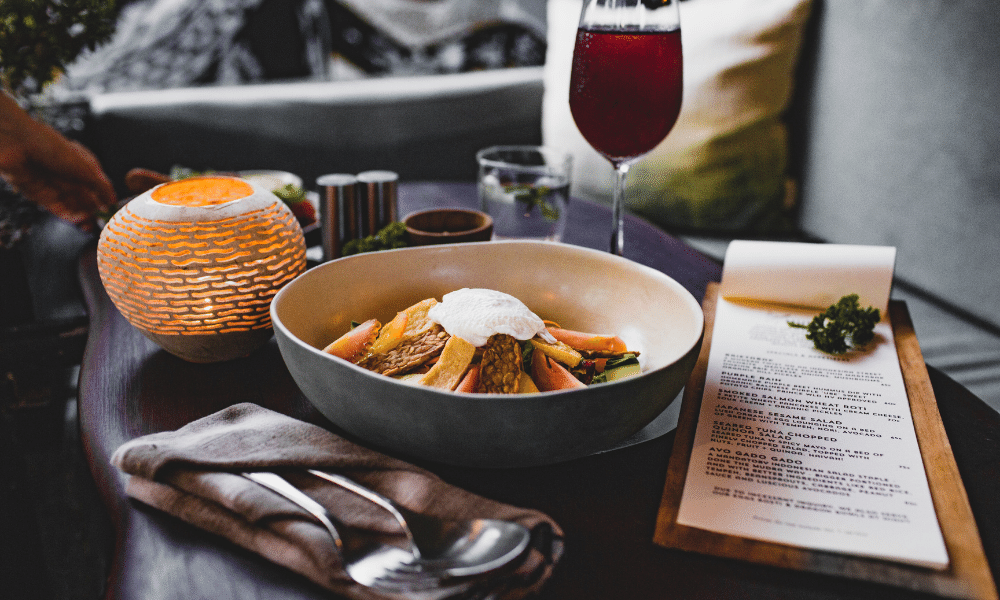
A menu that is easy to read and visually appealing can enhance the dining experience. Use high-quality visuals if appropriate, and keep descriptions concise yet persuasive.
A well-designed menu can subtly guide customers toward specific dishes. Elements such as color psychology, varied font sizes, and strategically placed visuals can highlight signature dishes or higher-margin items.
(Scientific studies have also demonstrated the importance of menu design for restaurants. For more on this topic, we recommend reading the article titled “Well-Designed Menus Increase Sales and Loyalty” published on the HORECA TREND website.)
Menu Layout and Psychology
Research shows that diners often look first at the center or upper-right corner of a menu. Place your signature or most profitable dishes in these “hot spots.”
It is also important to consider the flow of your menu. Group related items together, such as appetizers or desserts. This logical structure helps guide customers through a “culinary journey,” enhancing their overall dining experience.
Update and Test Regularly
The food and gastronomy world is constantly evolving. Update your menu regularly according to seasonal ingredients, customer feedback, and emerging food trends.
Consider offering daily specials or rotating dishes to keep your menu fresh and exciting. Limited-time offers or seasonal specials can create a sense of urgency, encouraging customers to visit. This approach not only keeps regular guests engaged but also attracts new customers eager to try something different.
Accommodate Dietary Restrictions
In today’s diverse food landscape, accommodating different dietary needs is essential. Offering vegetarian, vegan, gluten-free, or other special dietary options ensures that all guests feel welcome.
Providing clear information about ingredients and preparation methods can also help prevent potential allergy concerns. You may even consider creating a dedicated section on the menu for special dietary options.
Training and Feedback
Make sure your staff knows the menu thoroughly. They should be able to provide recommendations, answer questions, and share feedback on which dishes customers enjoy the most.
Include your staff in tasting sessions to empower them. Their firsthand experience with the dishes leads to more authentic recommendations, which helps build customer trust and satisfaction.
Digital Presence
In today’s digital age, many customers will check your menu online before visiting your restaurant. Ensure that your online menu is easy to navigate, up-to-date, and mobile-friendly.
You may also consider integrating customer reviews or ratings into your digital menu. This type of social proof can help guide undecided customers and encourage them to try recommended dishes.
Conclusion
Designing the perfect menu is a blend of culinary passion, market research, and a touch of psychology. By understanding your target audience and consistently delivering high-quality dishes, your restaurant can not only attract customers but also keep them coming back for more.


No Comment! Be the first one.